As the election plays itself out this coming week, we as educators continue to work on behalf of children and our communities as a whole. Whatever the outcome of the vote, the work goes on and our efforts must continue. So I want to keep this post simple and straightforward. Whatever your political persuasion, there are certain objective, observable realities we can all agree on in looking across the education landscape:
- As public educators, we are employed by our government to educate our citizen’s children.
- As education professionals, we have an obligation to inform our government and its citizens of what is in the best interests of the children with whom we are charged.
- As publicly employed professionals, we work in the conditions created by the decisions made by our government and its citizens.
- We are largely funded by revenue collected through local taxes which is augmented by state and federal funding.
- We work within the contexts of the society in which we live. The world has changed much since we were students and so we have changed our goals and roles as educators.
- As society continues to evolve, education will continue to reflect the changing needs of society.
- Society is moving towards an individualized delivery of goods and services. It is not happening overnight, but little by little consumers expect everything to be customized for their needs and interests.
- The individualized delivery of instruction is a huge challenge for educators, where standardization, funding formulas and accountability are the legacy of the industrial age.
- The push towards more individualized instruction will continue in public education, long after our good work is done and we are retired.
- Public education will look very different by the end of this century. Are you ready to start touting the virtues of 22nd century skills?
When you look at these statements in the progression in which I offer them here, does it seem that there are forces at play far beyond our immediate influence? There are. These forces are forever changing society and, therefore, will forever change education. Are these forces of a particular political bent? No. regardless of your personal views or even those views of the candidates running for office, this kind of seismic sea change will continue to happen in spite of ourselves. Of course one party or another will sway the dialogue on the methods and priorities for getting the job done, but in the final analysis the transformation of public education is bigger than all of us. What a sobering realization. So...does this mean all our efforts are for naught?
No, of course not. Whichever candidates you choose, get out there and vote on Tuesday. And after the election results are in, continue to work to make a difference in the life of each child and each colleague with whom you come in contact each and every day. Because when your career is complete and you look back at the difference you have made, it won’t be measured in monetary or political terms. You will see the difference you have made in the life of each student you become reacquainted with in their adult lives...and this has become much more commonplace with the rise of social media. So here's a political primer you can actually reconcile with your professional life:
- Carry on the good work.
- Keep your perspective; education is about fulfilling human potential.
- Don’t get swept up in polarizing labels and slogans and hyperbole.
- Vote your conscience.
- Make a difference one student at a time.
- Be the kind of educator your students will want to reconnect with as happy adults contributing to society.
- Nothing else matters.


 In my fourteenth year of teaching, I was also leading a number of professional development offerings for Spotsylvania County Schools. And like so many of us in ed tech, I was being pushed more and more to train colleagues on technology. It was at this point in my career that the husband of one of my workshop attendees approached me. “I hear you’re really good. Why not do what you do well for more money?” He worked for a consulting firm that worked with government agencies and private sector firms. They needed a technology trainer.
 Finally in April the announcement came down immediately and all at once. A large number of workers were being let go and the new Secretary would be looking at major reorganization within the agency. My supervisor and all my tech-training consultant colleagues were let go. Inexplicably, I was the only tech trainer left standing. I was stunned. How was this possible? Why was I spared the axe? What do I say to all these people I had been working with closely who were coming in that day to clean out their desks and be escorted out by security? It was a very tough, very real-world lesson about so many of the assumptions I brought with me from public education. Job security, seniority, loyalty…nothing is guaranteed. I was so grateful to still have a job but so shaken by the reality of life outside K-12.
 I have spent the last few days in Nassau, Bahamas celebrating the approval of Bahamas ASCD application to become an ASCD affiliate. It was just a year ago I came to attend their inaugural conference as an ASCD Connected Community, their first step in becoming an affiliate. I remember being impressed with how well planned and coordinated that first conference was…how committed the leadership was to building this new organization to meet the needs of educators and students in their country.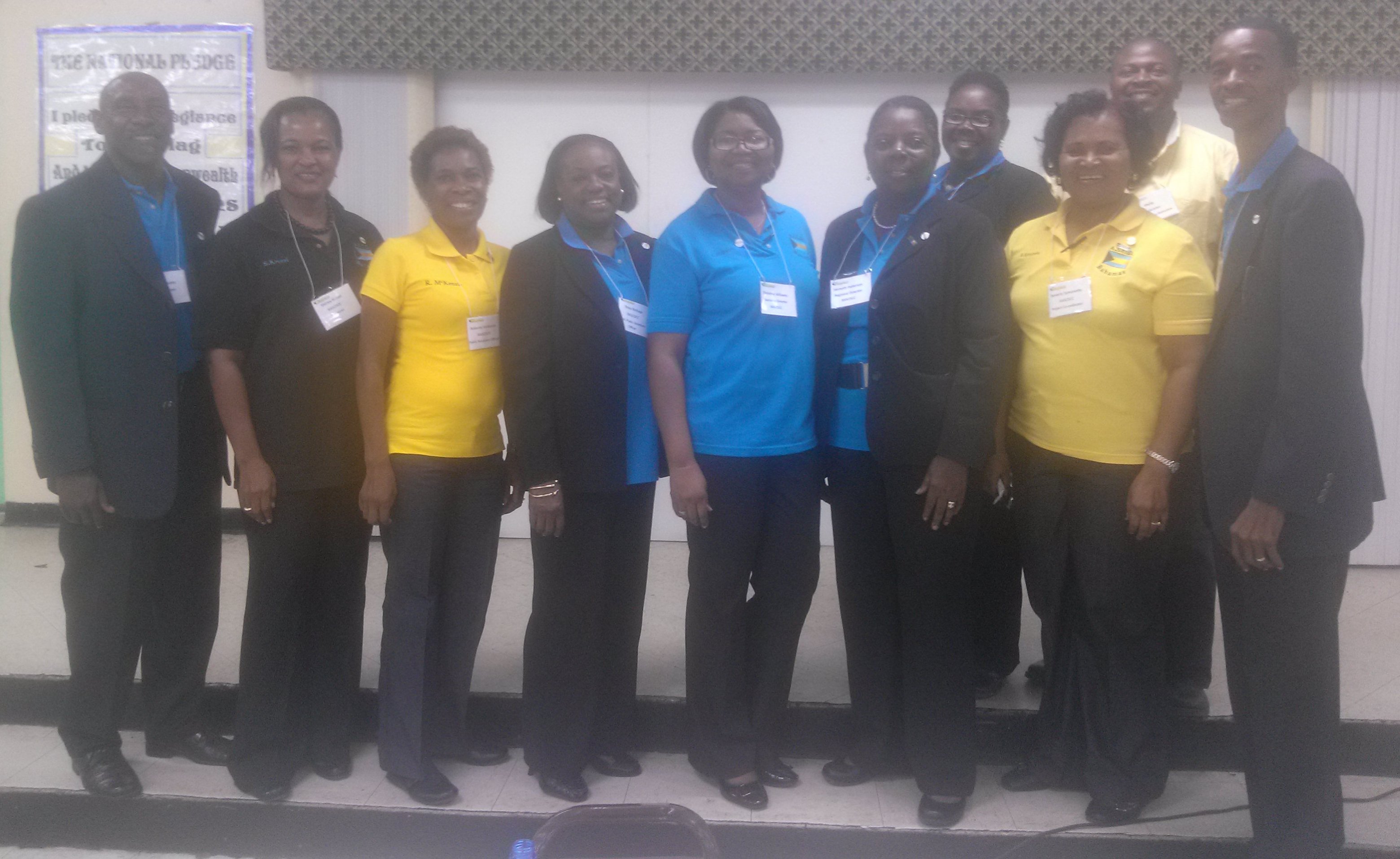


 We do have a number of affiliates seriously planning their first foray into unconferencing. This past week I attended the first of
 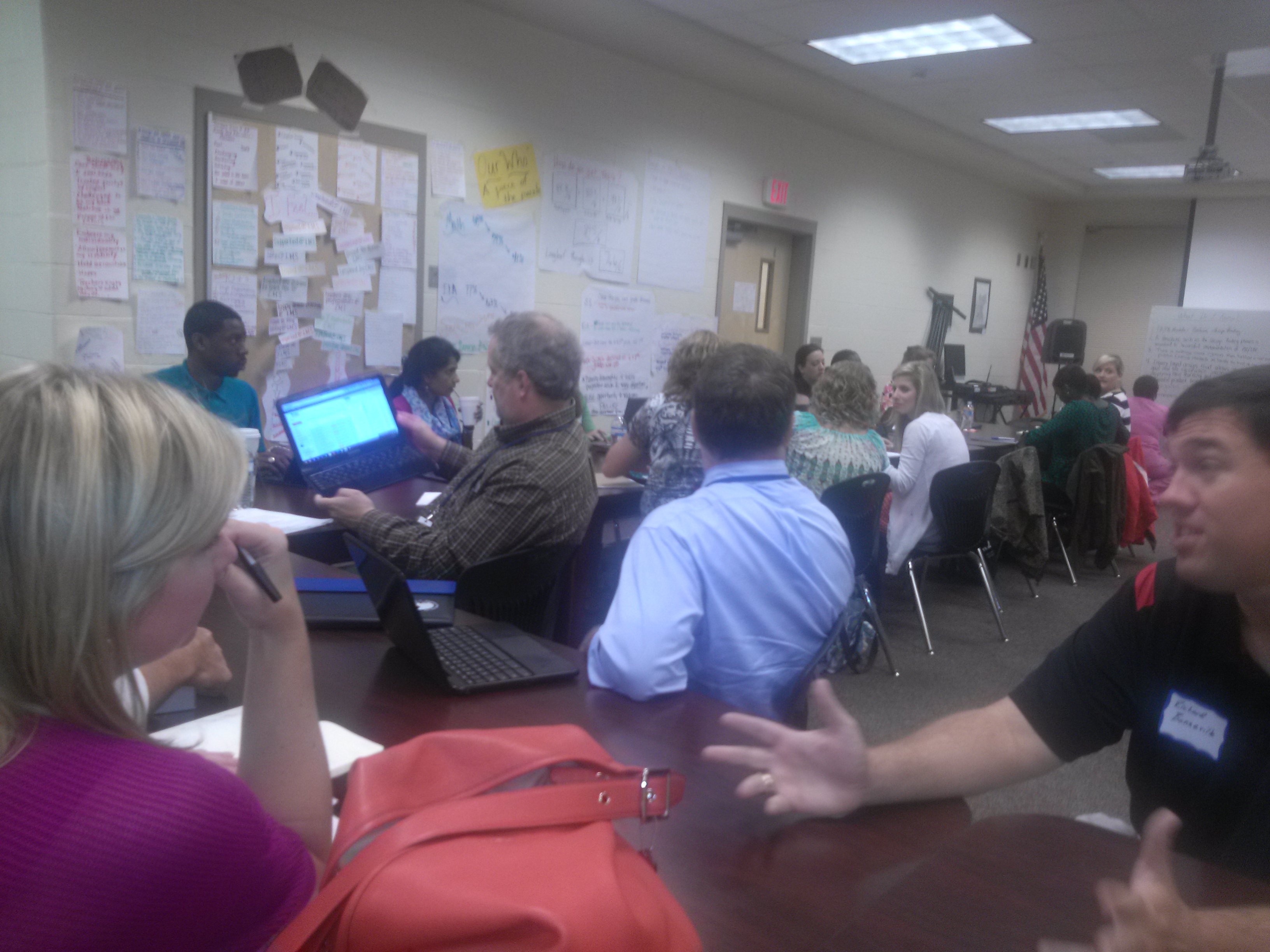 Several teams emerged as having experience and expertise that everyone else in attendance wanted to hear about. There were elementary people picking the brains of secondary people and vice-versa. At some points people met in quickly-forming groups to discuss PBL planning or implementation or assessment concerns. Then the room would shift as groups of educators sought to discuss ideas by grade level. By the time it was over, SC ASCD’s first unconference was a high-energy success with everyone parting full of ideas and strategies and new contacts with whom they could continue the conversation. The entire event lasted three hours and didn’t cost anyone a penny. It was relevant engaging and satisfying for everyone involved.


 Posts
Posts